Projects
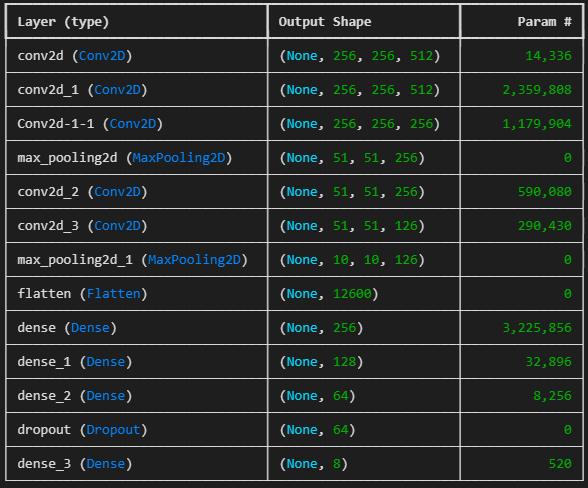
In the Medical Field the proper identification of a bacteria can lead to life saving and clinical decision making when it comes to both patient life and medical development. Traditionally this was done via Bacterial identification that required professional medical equipment, operations, and trained employees as one would assume this process can be quite expensive as well as time-consuming. With the development of Deep Learning models, I was curious if the creation of a Convolutional neural network could help with the identification of some of the major types of Bacteria. Multiple models were developed to see if there was a certain approach to hyperparameters that would lead to a road able to best predict the type of bacteria. I created 8 classes of Data and used 4 different models to try and find the best approach to identification of the model. I attempted to do this in order to help aid my job as a microbiologist so I can more efficiently recognize threats for my company. It took quite a while to get the training done. I plan to increase the number of layers and images to build a more efficient model or perhaps take it down into the 4 main problem categories for microbes.
SQL Database Design
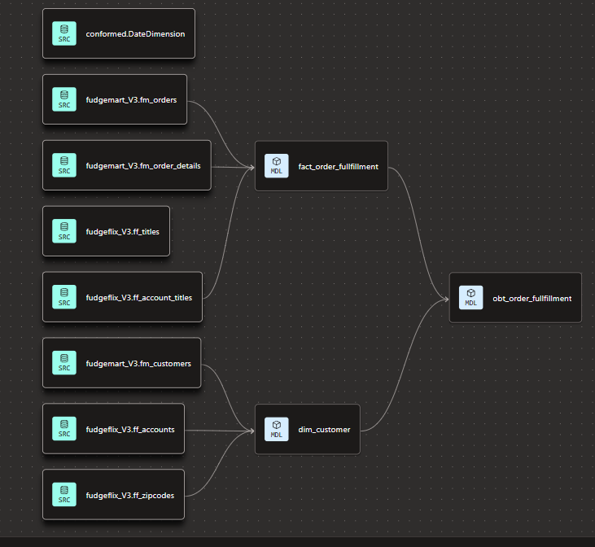
I examined two fictitious companies and considered how a prospective merger would unfold, focusing specifically on how I would consolidate their databases from a business perspective. The class provided the sample data for both organizations. I began by staging and uploading everything into Snowflake to review the raw information, then moved the datasets into dbt Cloud to be digested and transformed according to the planned merger logic. Throughout the process I used GitHub pull workflows to manage and document the merge operations, ensuring version control and validating that the combined databases maintained data integrity and functioned correctly together.
Market Predictions through two Databases
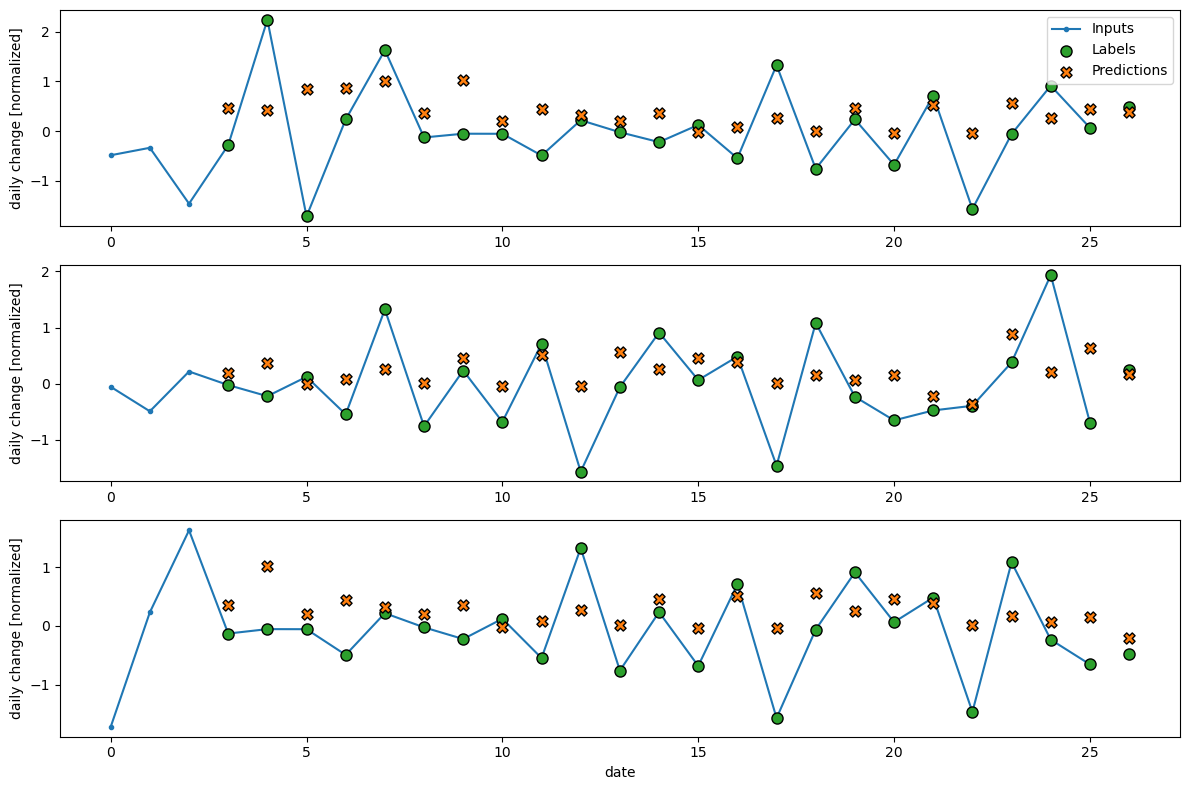
I wanted to create a Time Series prediction model to see if I can accurately predict a stock. I took an API from MarketWatch to pull the data through Cassandra then cleaned it by transposing it and engineering some columns such as % change and other columns that would be needed for trading strategies. After the data was transformed it I stored it in MongoDB. I then used TensorFlow to create windows to turn each row as a datapoint to predict the following. Using this I was able to create a model that had unfortunately high Mean Squared Error. I think to correct this for a future project I will have to pull more data and optimize the windows used for prediction. As well as switching the column of interest into a categorical data point to go with an F1 score rather than a numerical value.
Deep Learning of model identification in bacteria
Initiate a Refined Collaboration